Choose another region to see content specific to your location.
Region

A centralized data lake storing all your data in open Delta format, accessible across every Fabric workload.
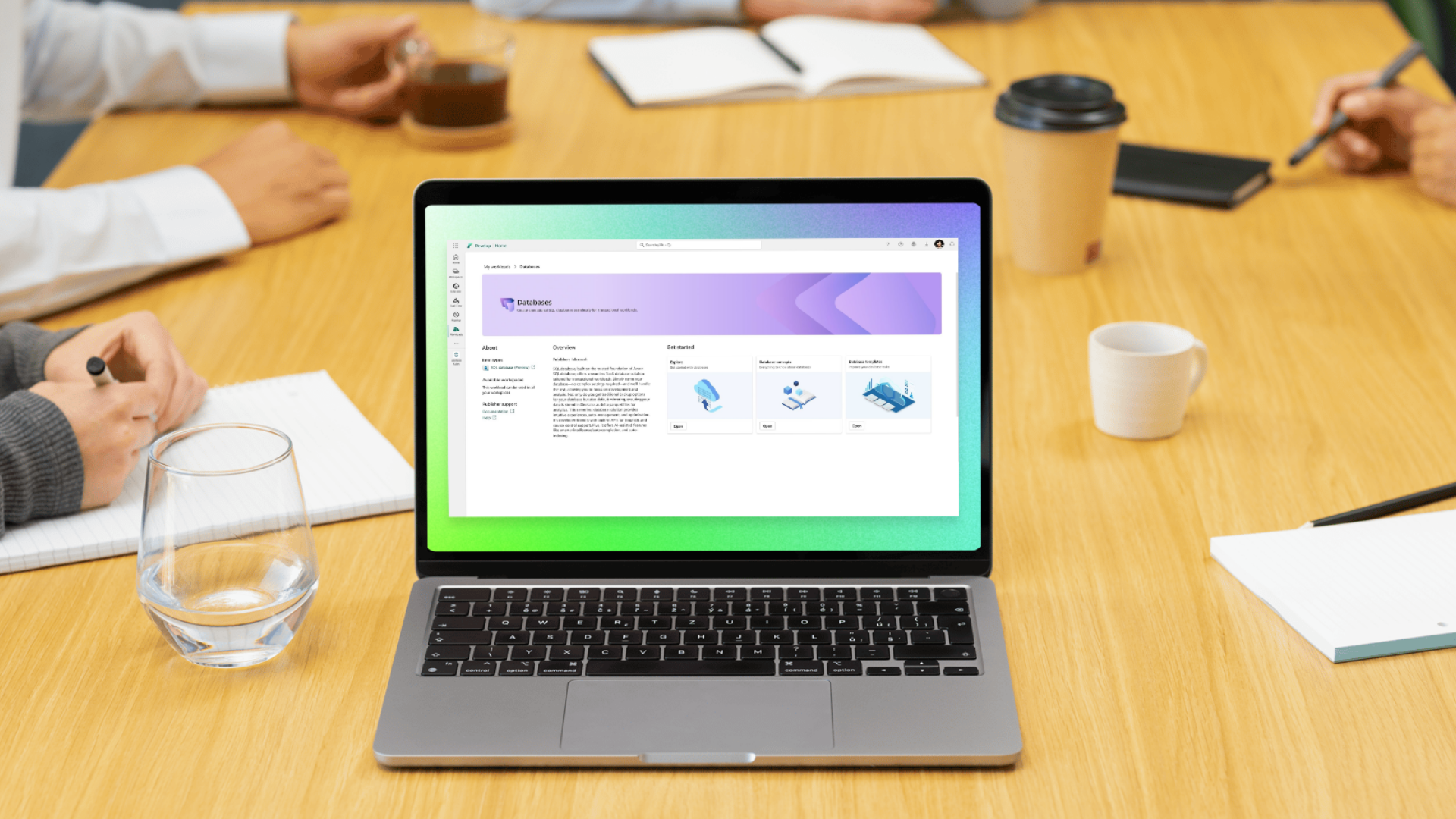
Full SQL-based relational warehouse with ACID transaction support, materialized views, and industry-leading query performance at any scale.
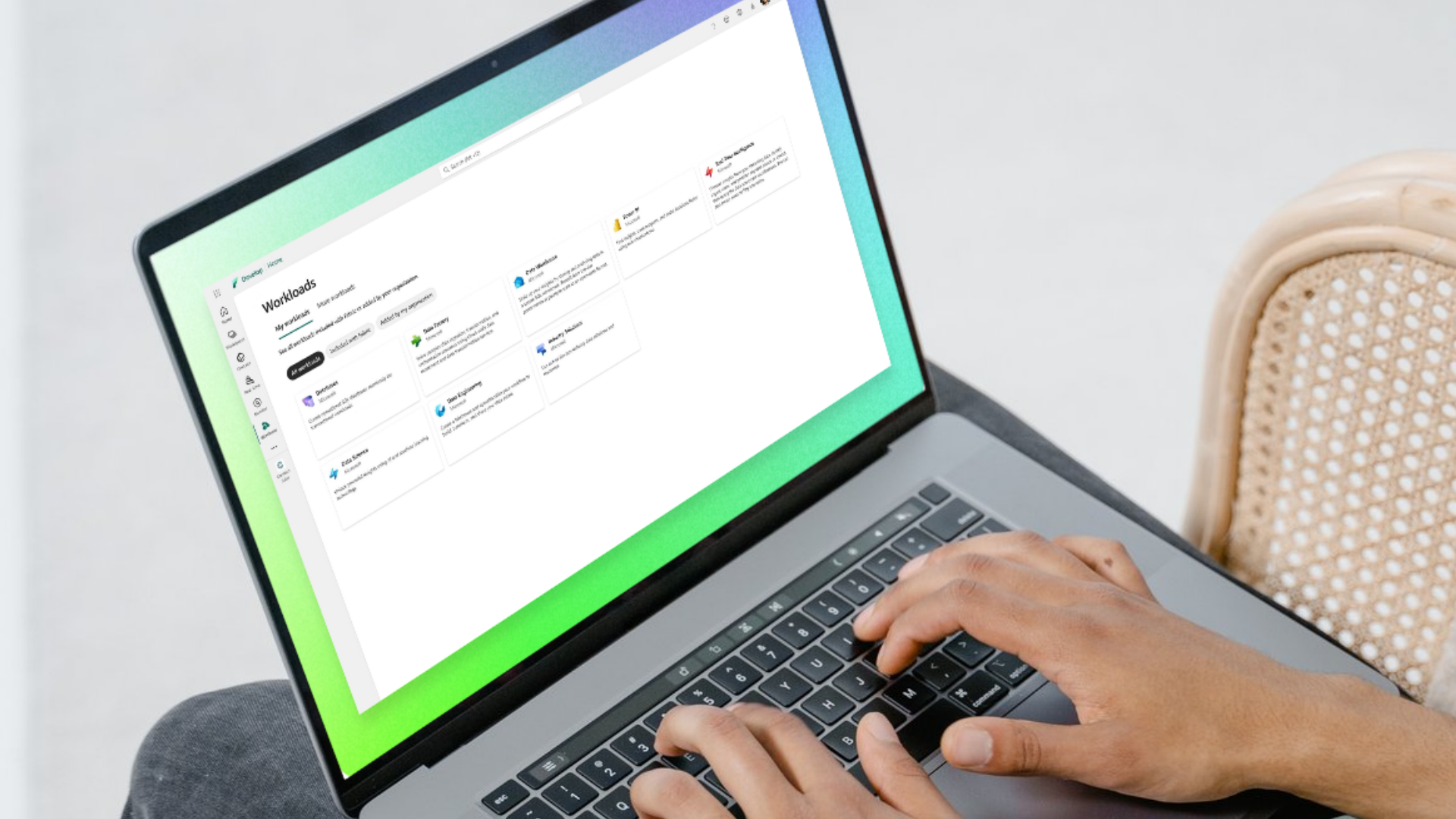
Ingest, transform, and orchestrate data from any source using built-in pipelines, Dataflows, and Spark, in one environment.
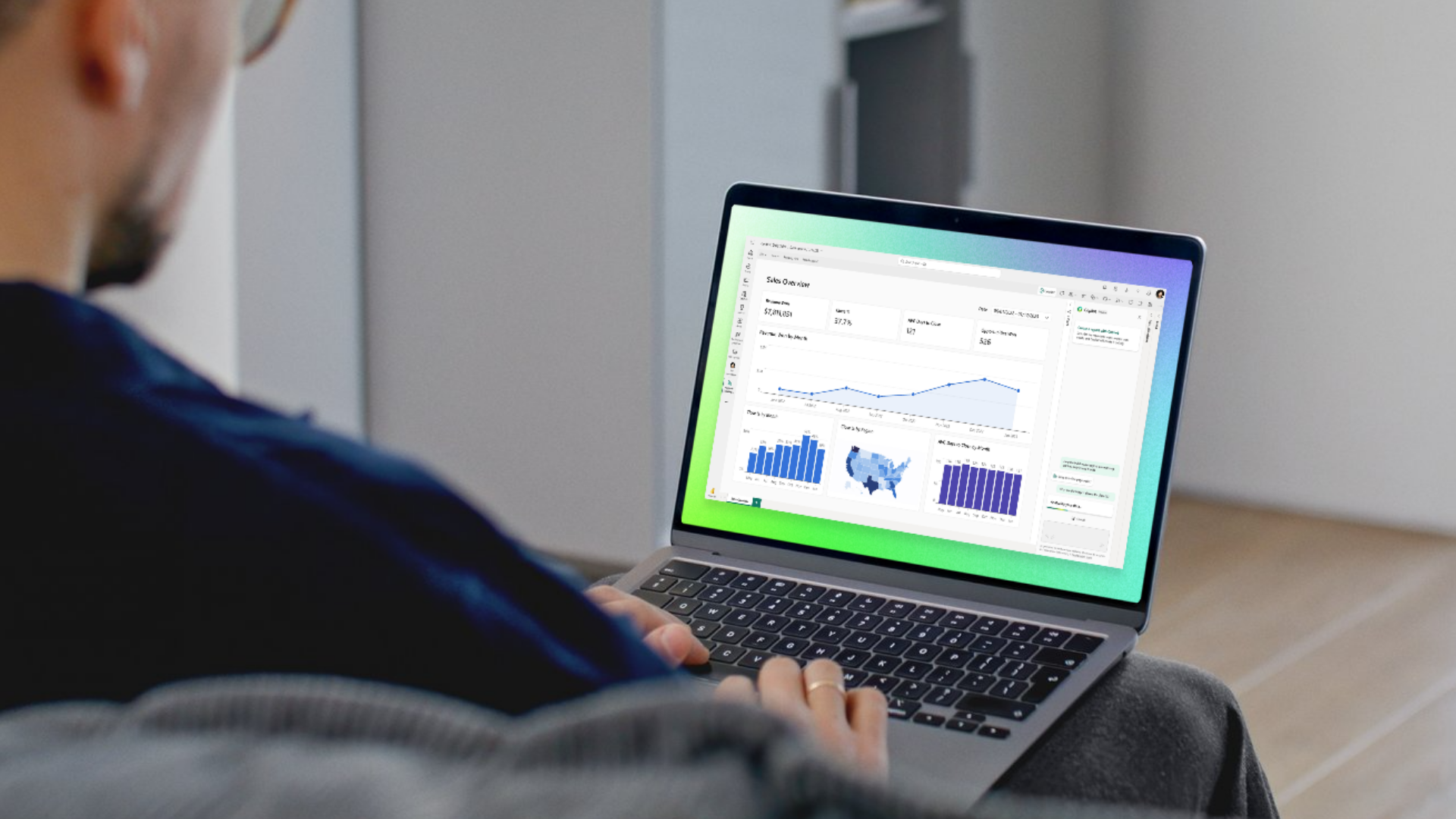
Stream and analyze event-driven data in real time, enabling live monitoring, instant alerting, and immediate response.
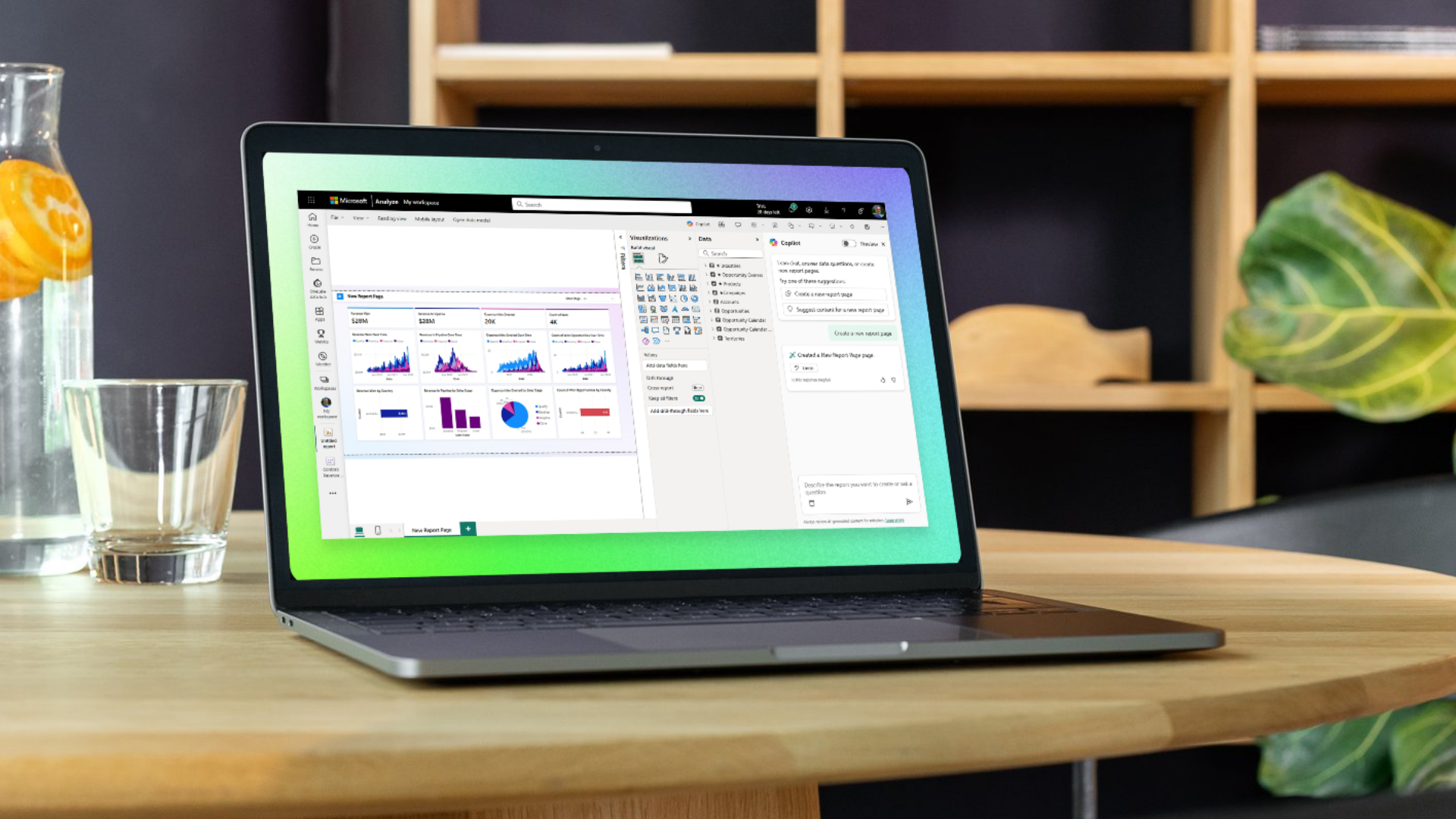
Connect Power BI directly to Fabric through Direct Lake mode: import-mode speed, real-time consistency, no scheduled refresh.

Apply machine learning and agent-enabled AI on your integrated data, enabling predictive analytics and autonomous task execution.

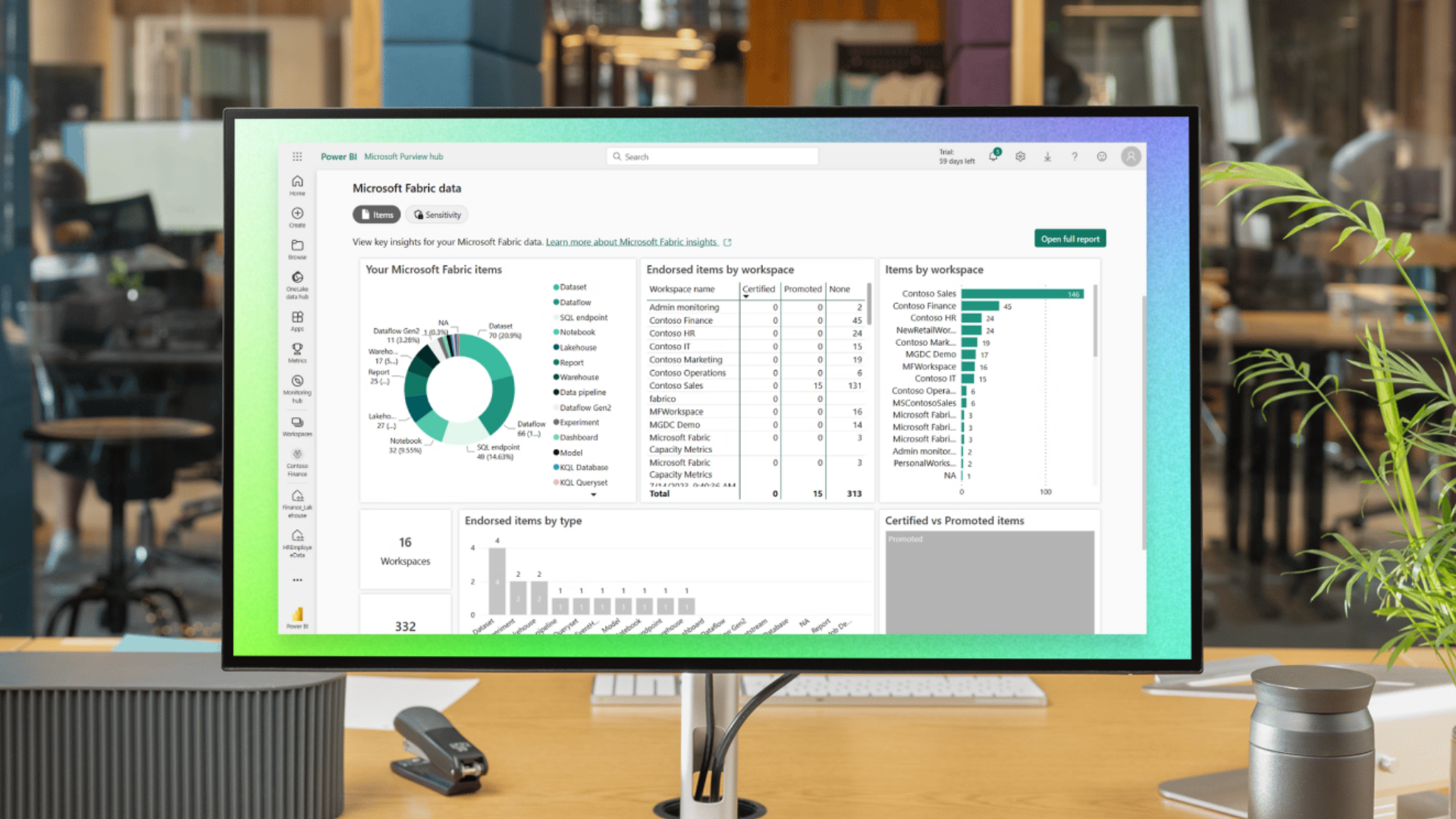
Built-in Purview integration ensures data quality, lineage tracking, classification, and compliance across your entire data estate.
Store data in open Delta Parquet format with zero-copy access to Azure, Amazon S3, and Google Cloud.

Microsoft Fabric is an all-in-one SaaS analytics platform that brings together data engineering, data warehousing, real-time analytics, data science, and business intelligence in a single, unified environment. Built on OneLake, a centralized, open-format data lake, it enables organizations to manage their entire data estate from ingestion to insight without switching between separate tools or services.
Microsoft Fabric builds on and extends the capabilities of Azure Synapse Analytics, integrating them with Power BI and Azure Data Factory into a unified SaaS platform. Fabric offers faster query performance, lower management overhead, and a more seamless end-to-end experience from data ingestion to BI reporting. Independent ESG technical validation found Fabric query processing up to 75% faster than Azure Synapse Dedicated SQL Pools at similar price points.
For simpler analytics needs, Power BI can connect directly to your source systems. As data volumes grow and you need to combine data from multiple sources, ERP, CRM, operations, and third-party systems, a data warehouse like Microsoft Fabric provides a governed single source of truth that significantly improves performance, reliability, and scalability of your analytics environment.
Yes. Microsoft Fabric supports data ingestion from a wide range of sources including Azure Data Lake Storage, Amazon S3, Google Cloud Storage, and many third-party systems through Shortcuts and pipeline connectors. CData connectors further extend connectivity to 350+ data sources for more specialized integration needs.
Yes. Microsoft Fabric is available as a SaaS platform with flexible capacity-based pricing, making it accessible to mid-market organizations as well as large enterprises. Its modular structure means you can start with the workloads you need most and expand as your analytics maturity and data volumes grow.
Microsoft Fabric and Power BI are deeply integrated. Power BI's Direct Lake mode enables reports to query data directly from Fabric's OneLake storage with import-mode performance and no data movement or duplication. This means your Power BI dashboards are always based on the most current data, with no scheduled refresh required.